
A deep dive into the lived actuality of allergy symptoms, emotional labour, psychological well being and client duty within the UK.
The Hidden Labour of Well being Logistics
Girls nonetheless shoulder the vast majority of household well being duties, which ranges from scheduling GP appointments to managing advanced dietary wants and liaising with colleges, nurseries and workplaces. Whereas nationwide figures on allergy‑particular logistics are restricted, broader caregiving analysis underscores this gendered cut up: girls account for a disproportionate share of unpaid care work within the UK, particularly when juggling employment alongside well being obligations. Girls’s well being wants, together with allergy symptoms, are too typically considered by a complement or ‘household admin’ lens somewhat than a public well being precedence .
This invisible labour isn’t solely about time spent; it’s about cognitive load – the psychological effort of anticipating dangers, organising secure options, and carrying the emotional weight of household wellbeing. In associated areas, analysis exhibits girls constantly shoulder extra family well being‑associated psychological load (planning, anticipating, organising) than males (throughout home spheres) .
Allergy Anxiousness & Emotional Labour
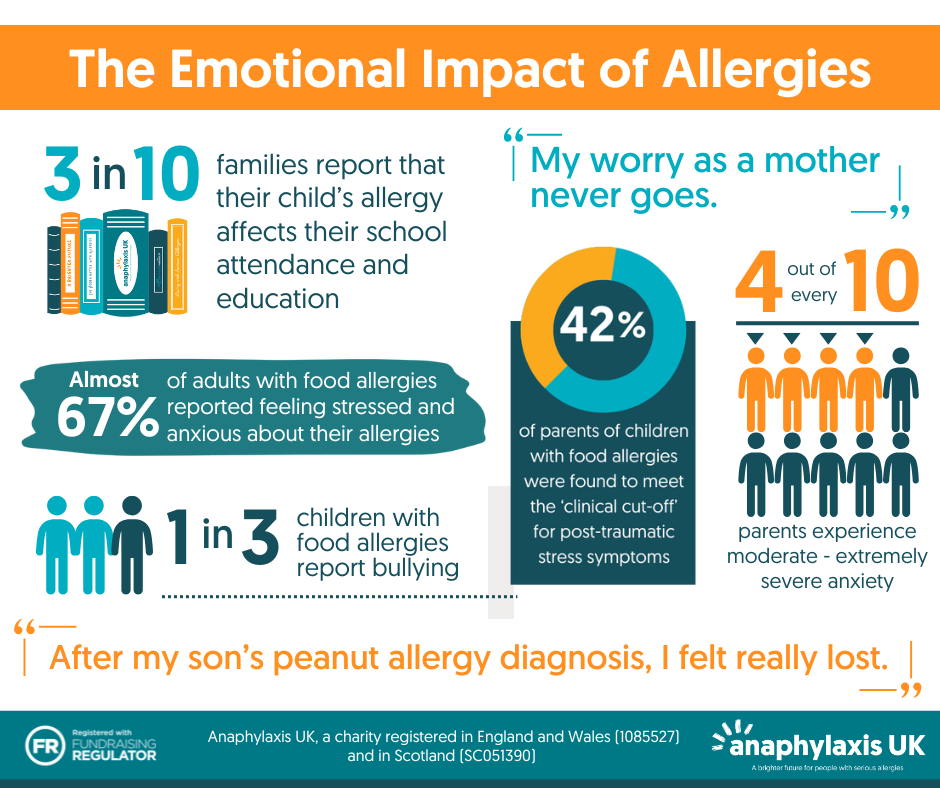
Allergy symptoms are each bodily circumstances and psychological burdens that ripple throughout on a regular basis life. Current UK‑based mostly analysis paints a putting image:
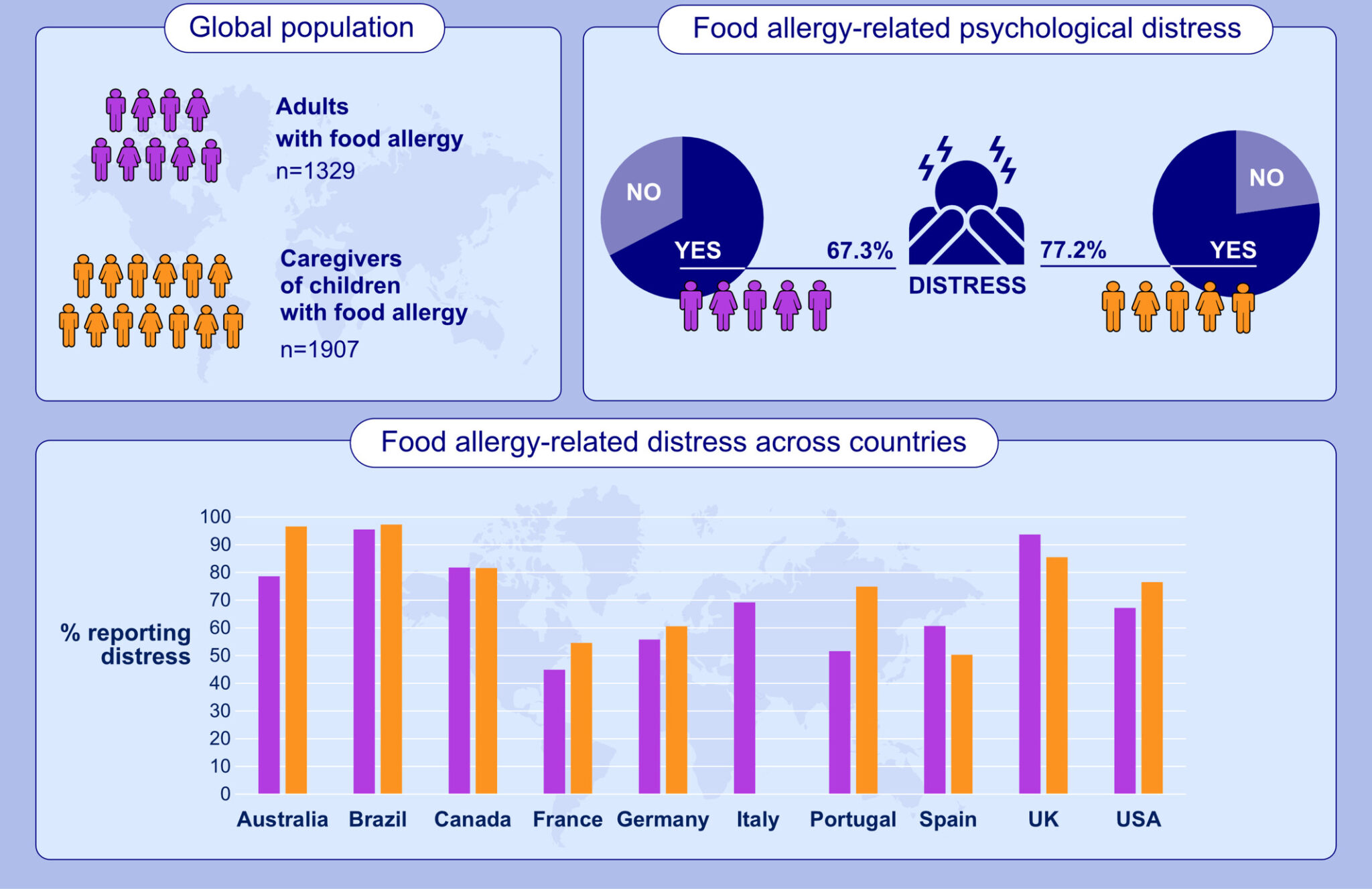
- Two‑thirds of adults with meals allergy symptoms and three‑quarters of grownup caregivers report psychological misery associated to allergy symptoms, which incorporates anxiousness about reactions, dread of unintended publicity, and fear about meals avoidance, based on findings from the World Entry to Psychological Companies (GAPS) examine involving UK individuals alongside others internationally. But fewer than 10 % had been screened for psychological well being circumstances at routine allergy appointments, and solely about 20 % accessed help.
- UK main‑care information additionally hyperlinks allergic and atopic issues (like meals, drug and seasonal allergy symptoms) with increased dangers of tension, despair and different psychological well being challenges in contrast with matched non‑allergic sufferers, underscoring that allergy symptoms are each a bodily and psychological well being burden.
These findings mirror emotional labour comprising of persistent vigilance, stress anticipation, and social negotiation, which might disproportionately fall on girls managing household dietary restrictions and security.
How Meals Insecurity Shapes Psychological Well being
Entry to secure meals will be thought of a psychological well being intervention.
Allergy administration typically means:
- scrolling ingredient lists at each store go to,
- calling forward to eating places and cafes,
- negotiating faculty menus or childcare snacks,
- slicing out whole meals teams at gatherings,
- carrying emergency remedy in every single place.
This isn’t “slight inconvenience”, however somewhat a sustained cognitive load that drives anxiousness and social isolation. One 2024 psychosocial examine highlights that people with meals allergy symptoms regularly expertise anxiousness (reported by over half) and panic, with caregivers additionally worrying about trusting others to maintain their family members secure.
Globally, analysis now calls it a psychological well being burden – one the place lack of psychological help is stark. Lower than 20 % of these with allergy‑associated misery entry psychological well being care, regardless of many wanting help.
Why Manufacturers Should Do Higher
Manufacturers have a duty, and an actual alternative, to cut back this burden.
Allergen labelling and secure‑meals entry instantly impression psychological wellbeing. Households report that unclear labelling and inconsistent ingredient transparency gasoline each threat and anxiousness. Analysis from the Anaphylaxis Marketing campaign and Allergy UK exhibits that higher labelling, clearer communications, and constant allergen dealing with requirements are foundational to the day by day lived expertise of individuals with allergy symptoms within the UK.
When labels are ambiguous, or cross‑contact warnings are overly cautious (or too lax), it will increase the emotional value of buying, travelling, consuming out, and taking part in group life.
Manufacturers that design with security and readability on the centre are decreasing emotional and psychological well being burdens that disproportionately fall on girls managing household meals wants.
How Inventive Nature Designs for Actual Life
At Inventive Nature, the strategy recognises these realities:
1. Security as Default
Merchandise are developed with clear, constant, and clear ingredient communication, so buyers could make assured, secure decisions with out the additional cognitive load that comes from uncertainty.
2. Inclusive Design
Recognising that allergy symptoms have an effect on high quality of life, not simply bodily well being, product growth integrates style, texture and dietary wants with out sacrificing security – a win for each allergic people and the individuals who take care of them.
3. Group and Help
Manufacturers that have interaction with allergy communities by listening to lived expertise, co‑creating options, sharing instructional content material, assist shift the narrative from exclusion to empowerment.
To deal with this, manufacturers, well being companies and coverage makers should prioritise readability, fairness and help, decreasing each the sensible and emotional prices of residing with allergy symptoms.